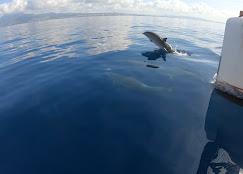
Who has never dreamed of watching a sea turtle glide gently underwater, moving with infinite grace through the crystal-clear waters of the Caribbean? In Martinique, this dream becomes reality. The island is one of the best places in the Caribbean to encounter these fascinating creatures, whether snorkeling, by boat, or even scuba diving. Here, they are at home, and we are lucky enough to observe them in their natural environment—if we take the time to look for them… and respect them.
The best spots to see turtles in Martinique
Sea turtles can be found all around the island, but some places are particularly famous for sightings.
- Anse Dufour and Anse Noire: Two postcard-perfect beaches, one with white sand and the other with black sand. Turtles swim peacefully close to shore, grazing on seagrass beds. With a mask and snorkel, spotting one is almost guaranteed.
- Diamond Rock: This iconic rock hides a true underwater paradise. Accessible by boat, it is a favorite playground for many marine species, including turtles.
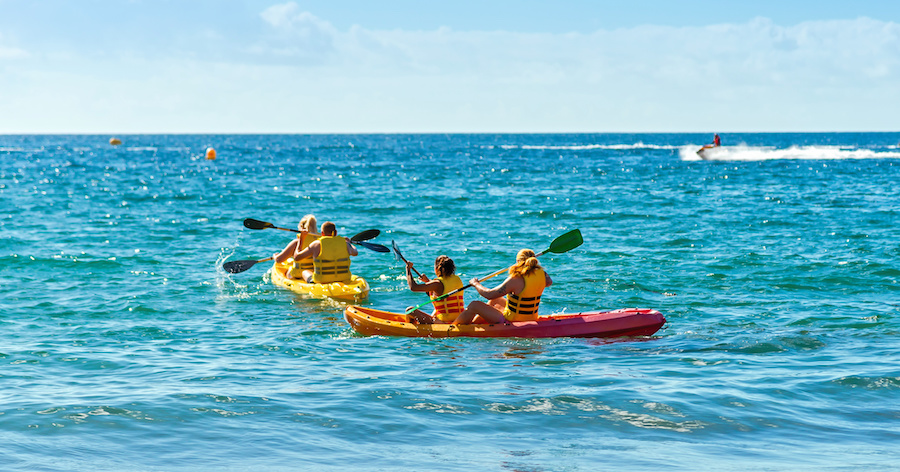
- Robert Bay and François Bay: Less known for diving, these sheltered bays still offer beautiful surprises, especially during kayak or boat excursions.
- Caravelle Peninsula: Here, between wild beaches and colorful reefs, it is not uncommon to see a curious turtle coming to observe you in return.
What species of turtles can be seen?
Three species can be found in the waters of Martinique:
- The green turtle, which despite its name has an olive-brown shell. It is mainly herbivorous and feeds on seagrass in shallow lagoons.
- The hawksbill turtle, smaller and recognizable by its hooked beak. It lives mainly around coral reefs and feeds on sponges.
- The leatherback turtle, the largest of all, reaching over two meters in length. More elusive, it prefers open waters but comes ashore to nest on some Martinican beaches.
How much does a turtle-watching excursion cost?
Good news: if you have a mask and snorkel, you can observe turtles for free, especially at Anse Dufour and Anse Noire.
However, if you prefer a guided experience, several options are available:
- Small-group snorkeling excursion: Around €30 to €50 per person, equipment included.
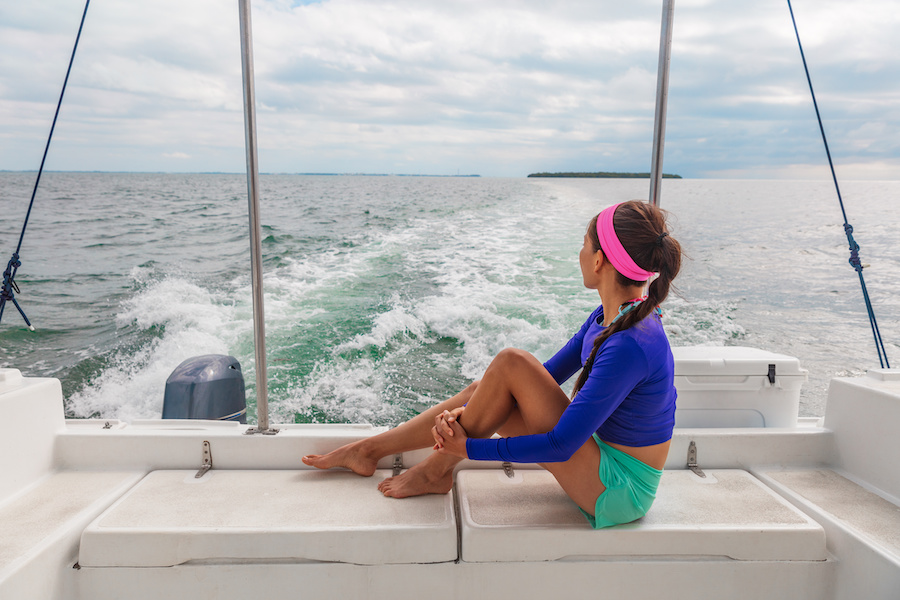
- Motorboat or catamaran trip: Between €50 and €100 depending on duration and destinations visited.
- Scuba diving: From €70 per dive, supervised by a certified instructor.
Departures usually take place from Trois-Îlets, Le Marin, or Fort-de-France, depending on the chosen excursion.
Is it allowed to swim with turtles in Martinique?
Yes, but with precautions. In Martinique, turtles are protected, meaning it is forbidden to touch, feed, or deliberately disturb them.
Here are some golden rules to follow:
- Stay at least 2 meters away to avoid stressing them.
- Do not try to grab them: they may flee and not return.
- No flash photography, as it can disorient them.
- Stay calm: no sudden movements or shouting underwater.
In short, the best approach is to let them come to you. Sometimes a curious turtle may even approach and observe you… that’s when the magic happens!
What do sea turtles eat?
It depends on the species:
- The green turtle is vegetarian and feeds on seagrass and algae.
- The hawksbill turtle prefers a more exotic diet of sponges and small crustaceans.
- The leatherback turtle mainly eats jellyfish, helping control their population in the ocean.
How do they reproduce?
Each year, females return to the beaches where they were born to lay their eggs, a long and often dangerous journey. In Martinique, nesting occurs between March and October on beaches such as Grand-Rivière, Tartane, and Sainte-Anne.
Once ashore, the turtles dig a nest in the sand and lay 80 to 120 eggs before quietly returning to the ocean. About two months later, baby turtles hatch and make their way to the sea—a perilous journey where few survive predators. Those that do survive may return years later to nest on the same beaches.
Tourism and turtle protection in Martinique
Observing a turtle in its natural habitat is a privilege, but it also comes with responsibility. Several local organizations, such as Tortuga Caraïbes, work to protect them by raising public awareness and monitoring nesting sites.
As visitors, we can also help preserve them by adopting respectful behavior:
- Never disturb a nesting turtle.
- Do not leave waste on beaches or in the sea.
- Choose responsible tours with guides aware of wildlife protection.
Turtles are part of Martinique’s natural heritage. Observing them is a magical experience, and if we all make a small effort, future generations will also have the chance to admire them in the turquoise waters of the island of flowers.



 Half-day: 8:00 AM – 12:00 PM